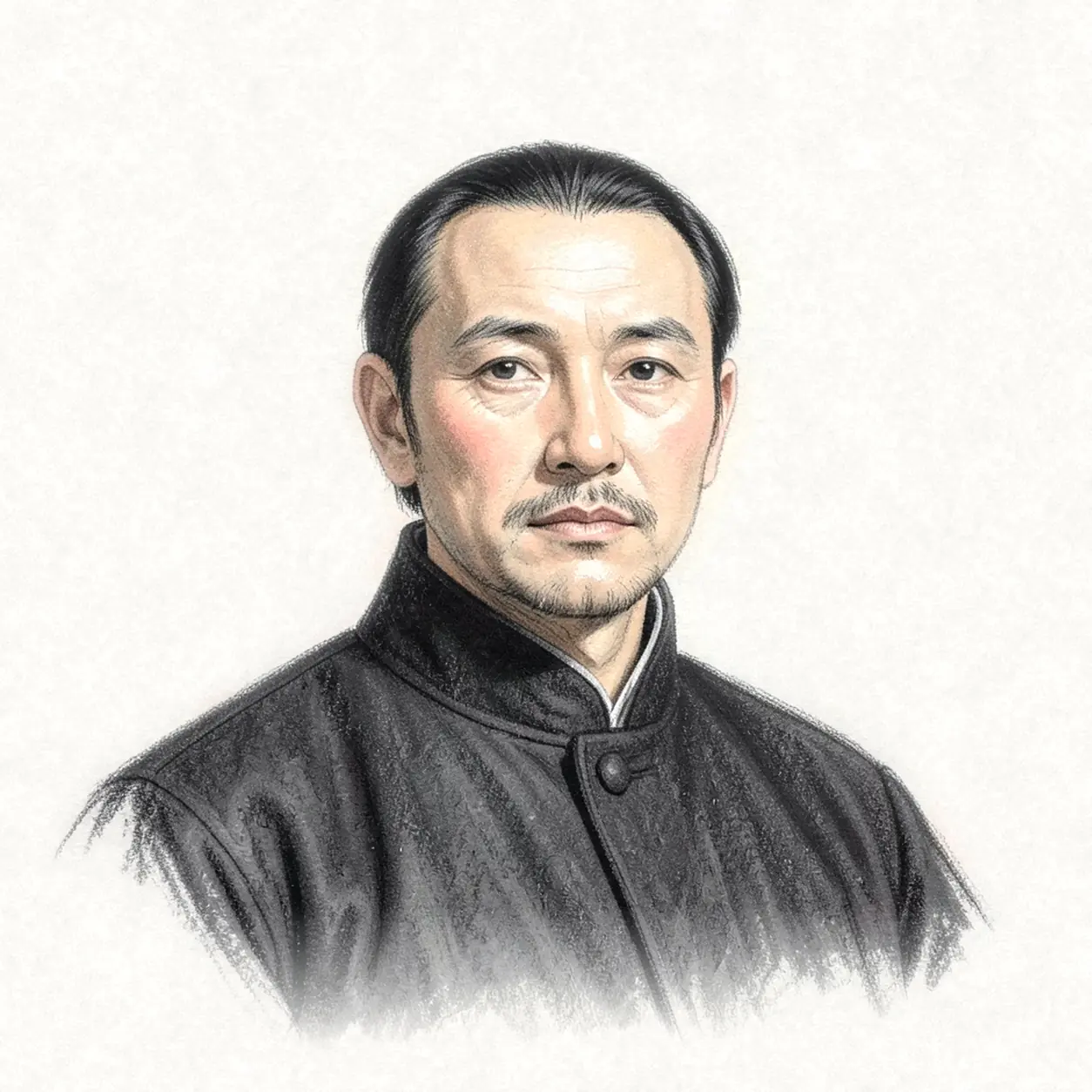
Saints Paul Miki and Companions
† 1597
Martyrs, Jesuits, Franciscans and lay people crucified at Nagasaki
Saints Paul Miki and Companions are twenty-six Christians who were crucified on February 5, 1597, on Nishizaka Hill in Nagasaki. Among them were three Japanese Jesuits, six Franciscans, and seventeen lay people, including three boys. They are the first martyrs of Japan to be raised to the altars. The Church commemorates them on February 6, the day after their death.
Saint Francis Xavier brought the Gospel to Japan in 1549, and within forty years about two hundred thousand people had embraced it. In 1587 the country’s ruler, Toyotomi Hideyoshi, ordered the missionaries to leave Japan, but the ban was not strictly enforced. When a storm drove a Spanish ship onto the Japanese coast in the fall of 1596, Hideyoshi came to suspect that the missionaries were preparing the way for the conquest of the country, and in December he ordered the arrest of the Franciscans, who had arrived from the Philippines three years earlier.
Paul Miki came from a well-to-do family near Osaka. The year of his birth is not known for certain: sources give dates from 1556 to 1566. Baptized as a five-year-old child, he was educated by the Jesuits and entered the Society of Jesus at the age of twenty-two. He became known as a preacher who knew how to speak with Buddhists. He was a few months away from priestly ordination when he was arrested together with John of Goto and James Kisai, who made their religious vows shortly before their death.
In Kyoto each of the condemned had part of his left ear cut off, and then, in the middle of winter, they were led on a month-long journey to Nagasaki. Along the way two Christians who had been bringing help to the prisoners were added to their number. Among the Franciscans were the Spaniard Peter Baptist Blázquez, Philip of Jesus from Mexico, and Gonsalo Garcia, who was born in India. The lay people were Franciscan tertiaries; among them walked catechists, a father and his son, and three boys, the youngest of whom was twelve years old.
On a hill outside the city they were bound to crosses with ropes and iron rings. According to an account from the period, which the Church reads on this day in the Liturgy of the Hours, the martyrs sang psalms and repeated the names of Jesus and Mary. Paul Miki spoke from the cross as from a pulpit. He said that he was a Japanese and a Jesuit and that he was dying for the Gospel he had preached. He declared that there is no way of salvation other than the Christian way, and since this faith commands us to forgive our enemies, he forgave the ruler and all who had sought his death, and he begged them to receive baptism. Then the executioners pierced each of them with a lance.
The Church in Japan survived the persecutions that followed in hiding: parents handed on the faith to their children. Urban VIII beatified the martyrs of Nagasaki on September 14, 1627, and Pius IX canonized them on June 8, 1862. John Paul II prayed on Nishizaka Hill in 1981 and Francis in 2019. Francis said there that the last word belongs not to death but to life.