Saints Denis and Companions
First bishop of Paris and his companions, martyrs of the third century
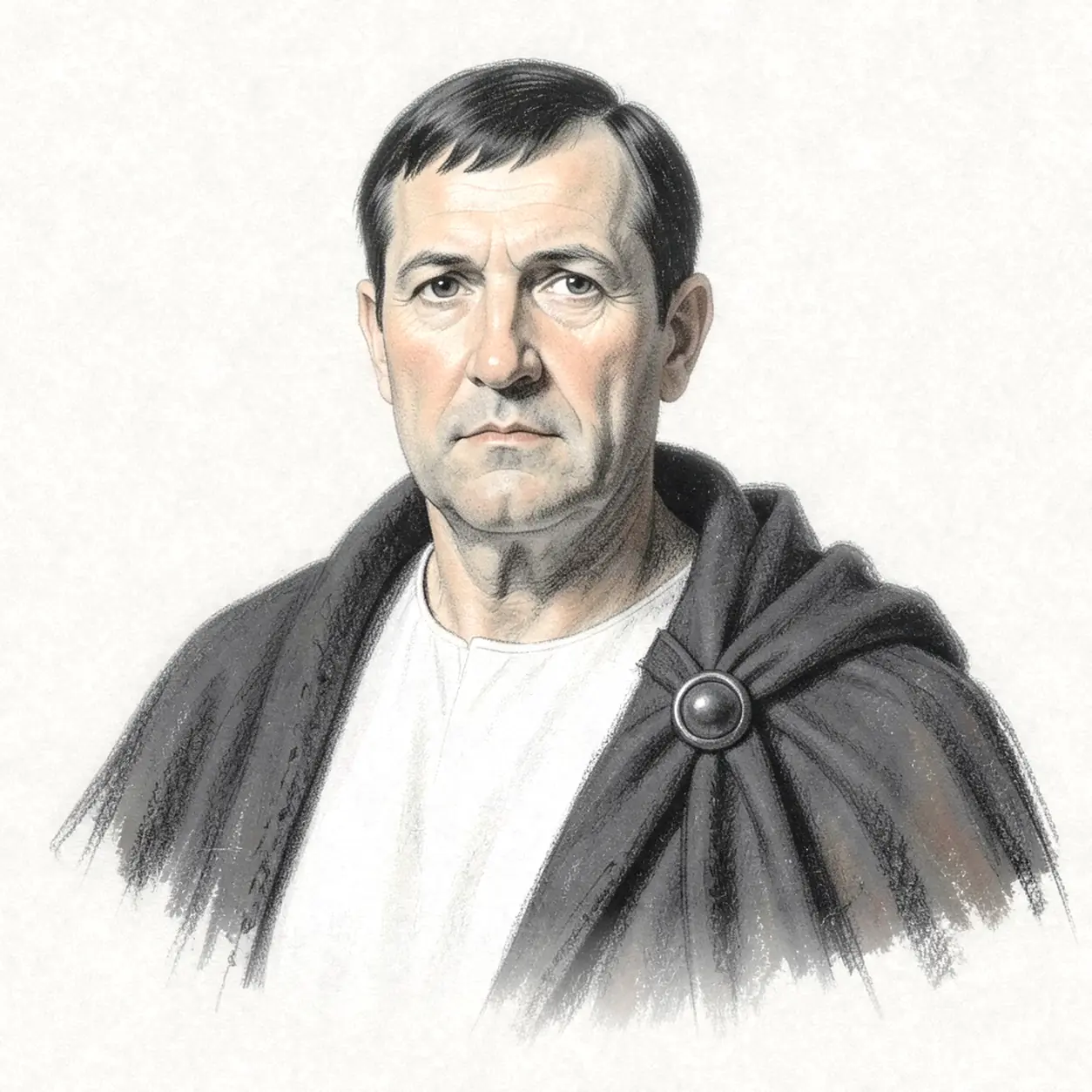
Saint Denis was the first bishop of Paris and died a martyr in the third century, together with the priest Rusticus and the deacon Eleutherius. The Church commemorates them together on October 9. This day is already recorded as their memorial in the ancient Hieronymian Martyrology.
The oldest account of Denis was given in the sixth century by Saint Gregory, bishop of Tours and historian of the Franks. He writes that under the emperor Decius, in the middle of the third century, seven bishops were sent to Gaul to preach the Gospel, and that Paris, then the Roman Lutetia, fell to Denis. According to Gregory, he suffered various torments for the name of Christ and died by the sword. The Roman Martyrology states that, according to tradition, he was sent to Gaul by the Bishop of Rome; legends name Pope Fabian. Nothing certain is known of Denis’s origins or earlier life, and the year of his death is also unknown.
Gregory does not mention Denis’s companions; their names come from later sources, and the accounts of the martyrdom written in the following centuries mix history with legend. Since the ninth century tradition has placed the site of their death on the hill of Montmartre. According to legend, the beheaded bishop rose and carried his own head, which is why art usually shows him holding his head in his hands.
The early veneration, however, is certain. In the second half of the fifth century, at the initiative of Saint Genevieve, the clergy of Paris built a basilica over the martyrs’ tomb, north of the city, and Gregory of Tours describes miracles that took place at the tomb.
In the seventh century King Dagobert I generously endowed the monastery beside the basilica and wished to be buried there. The Abbey of Saint-Denis became one of the most important in France, and its church the burial place of the kings. The rebuilding carried out in the twelfth century by Abbot Suger is regarded as the beginning of Gothic architecture. In 1980 Saint John Paul II celebrated a Mass for workers in the Basilica of Saint-Denis and recalled in his homily that it holds the tombs of the kings of France.
In the ninth century Hilduin, abbot of Saint-Denis, identified Denis with Dionysius the Areopagite, the Athenian mentioned in the Acts of the Apostles who came to believe after Saint Paul’s speech, and also with the author of the writings attributed to the Areopagite. This error took root for the whole of the Middle Ages and contributed to the flourishing of his cult. Today the Roman Martyrology commemorates Dionysius the Areopagite separately, on October 3. Denis is one of the Fourteen Holy Helpers. He and his companions have been venerated since antiquity, without a formal canonization.