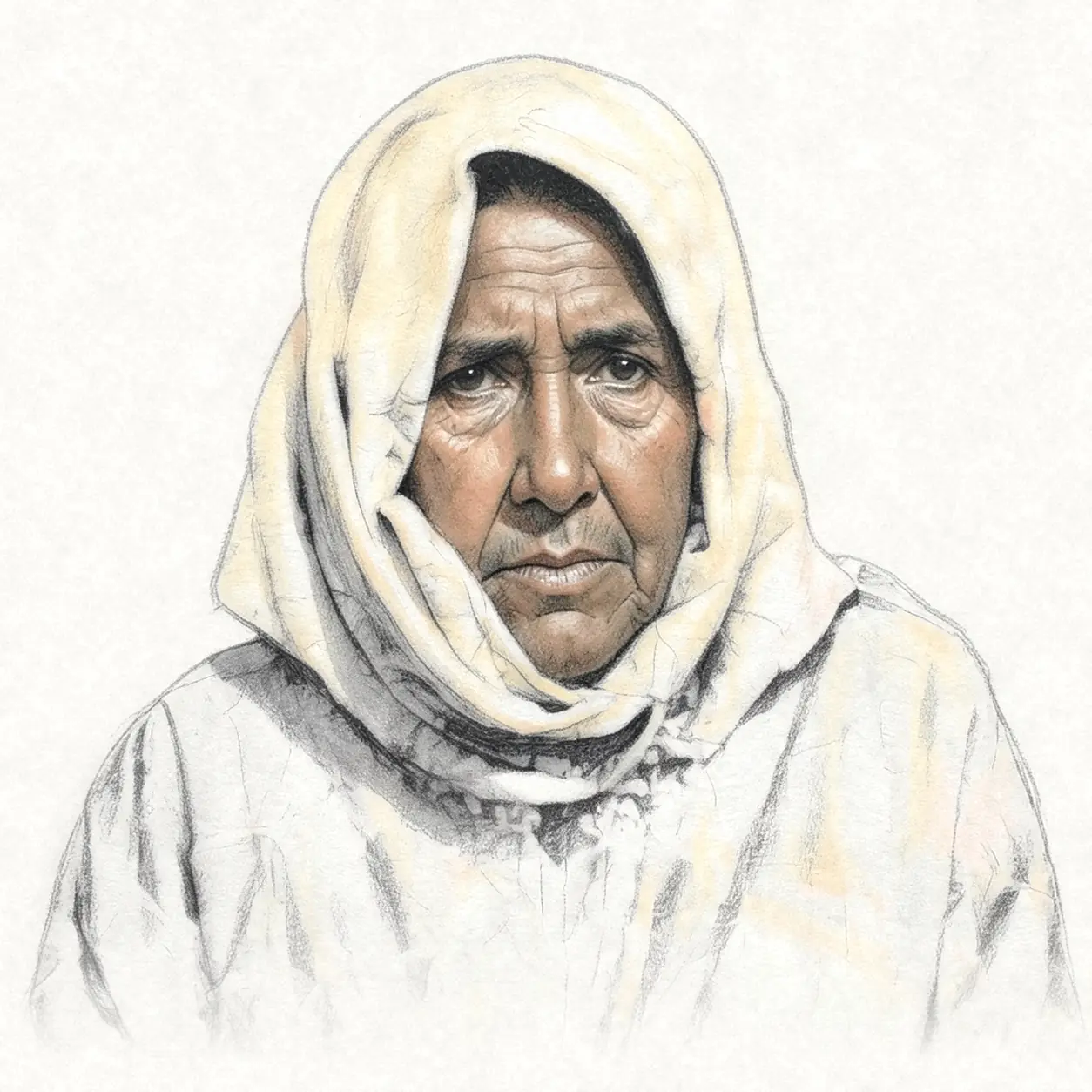
Blessed Francisca de Paula de Jesus
Lay Person · 1808-1895
Laywoman of Brazil, virgin, called the mother of the poor
Blessed Francisca de Paula de Jesus, known to everyone in Brazil as Nhá Chica, that is, “Aunt Frances,” was a laywoman of Baependi in the state of Minas Gerais. She was born into slavery, and she devoted her whole life to prayer, to counseling the people who came to her, and to helping the poor. The Church remembers her on June 14.
She was born in 1808 near São João del-Rei. Her mother, Izabel Maria, was a slave, and it is not known who her father was. She was baptized on April 26, 1810, and given the name of Saint Francis of Paola. From her mother she learned her prayers and the rosary, but as a woman and a slave she could receive no schooling, and she remained unable to read and write for the rest of her life.
As a teenager she gained her freedom and moved with her mother and brother to Baependi. A few months later her mother died. Before dying she urged her daughter to live a hidden life, since in this way she would better keep the faith and be able to do good. Francisca turned down many proposals of marriage, convinced that she had another mission to fulfill. Nor did she go to live with her brother; instead she lived alone in a small house on the edge of the town.
Her humble house became a place of prayer. Every day she gathered her neighbors to pray together before a small clay statue of the Immaculate Conception that had belonged to her mother, and once a week she invited the poor to a meal and gave out alms. That is why she was called the mother of the poor. For decades people came to her, ordinary folk and counselors of the emperor, rich and poor, including people from São Paulo and from the capital of the time, Rio de Janeiro. Asked where her counsel came from, she answered simply that she prayed, and Our Lady listened to her and answered.
In 1862 her brother died and made her the sole heir of his fortune. Francisca used it to help those in need and to build a chapel of the Immaculate Conception, which she believed Our Lady had asked of her. In 1888, in her will, she left her property to the parish and indicated what was to be sold and given to the poor.
She died in Baependi on June 14, 1895. For four days her body lay in the church so that crowds of the faithful could bid her farewell; the documents of the cause record that during this time it showed no signs of decay. She was buried in the chapel she had built. On its site now stands the Shrine of Our Lady of the Immaculate Conception, where her remains rest.
In 2011 Benedict XVI recognized her heroic virtues, and he then approved a miracle attributed to her intercession. She was beatified by Pope Francis: on May 4, 2013, in Baependi, Cardinal Angelo Amato read the apostolic letter in his name. In it the Pope called Francisca a woman of constant prayer and a perceptive witness of Christ’s mercy toward those in need in body and spirit, and he set her memorial on June 14, the day of her birth into heaven.